What to Expect in Anxiety Disorder Groups
If you’re considering anxiety depression counseling, you might be surprised at how helpful anxiety disorder groups, anxiety disorder support groups, and anxiety and depression support circles can be in your healing journey. Whether you’ve been battling quiet panic attacks, depression that seems endless, or even relationship trauma like dealing with cheating spouses or needing cheating spouse support, you’re not alone — and group therapy might just be what you need.
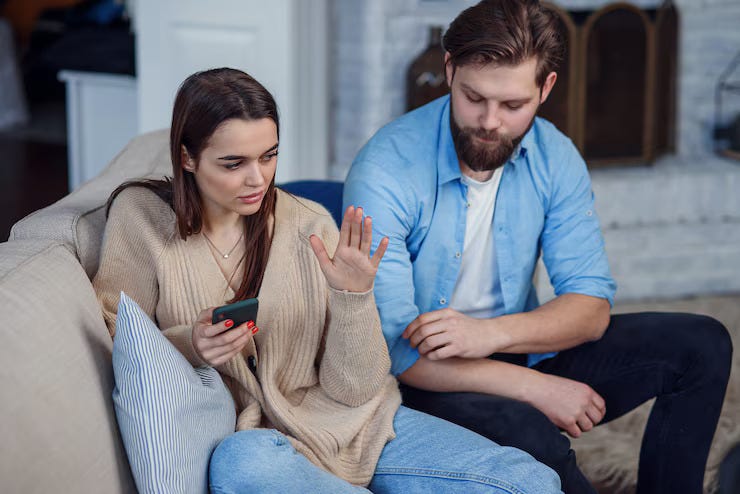
Opening Up Feels Scary, But It’s Worth It
When I first joined an anxiety disorder group, I was terrified. I didn’t know if anyone would understand what I was going through. My hands would sweat every time I thought about sharing — even something simple like, “I had a panic attack in the grocery store.” But the moment someone else said, “Me too,” something shifted.
Anxiety disorder support groups create a space where you’re seen, heard, and not judged. You’ll likely meet people struggling with similar issues — from performance anxiety to deep-rooted fears, from heartbreak due to cheating spouses to ongoing cycles of anxiety and shame.
A Safe Place to Learn and Grow
In anxiety disorder groups, facilitators (usually licensed therapists or trained counselors) guide the conversation in healthy, structured ways. Here’s what’s common:
Weekly or biweekly meetings (online or in person)
Topics like coping skills, self-care, and emotional triggers
Exercises like guided breathing or journaling prompts
Room to share your experiences — or just listen until you’re ready
These groups often overlap with anxiety depression counseling, giving you insights not only from professionals but also from peers who “get it.”
You Don’t Have to Share Right Away
Let me be clear: you’re never forced to speak. In my first three sessions, I barely said a word. I listened. I cried a little. I wrote in my notebook. And that was okay. Everyone moves at their own pace in anxiety disorder support groups.
What I learned quickly is that healing doesn’t always require talking — it requires connection. You’ll likely begin feeling safer just by being in a room (or Zoom call) with people who are also on the journey of anxiety and depression support.
You’ll Start to See Patterns — And Break Them
Another thing you might not expect? Clarity.
Being in a group helped me recognize that much of my anxiety stemmed from unresolved issues — including trust problems from a relationship with a cheating spouse. Hearing other people’s stories of betrayal, shame, and even their steps toward forgiveness gave me hope.
Eventually, I joined a cheating spouse support group too, and combining it with anxiety depression counseling gave me the emotional toolkit I was missing. Group therapy helped me stop blaming myself and start setting boundaries.
Friendships, Not Fixes
These aren’t quick-fix meetings. But you might form deep, lasting bonds. Some of my closest friendships today came from anxiety disorder groups. We still check in with each other, even though we’re in different cities now.
The point is not to “fix” you — it’s to support you while you find your own path forward. In every session, whether I was speaking or just nodding quietly, I felt a little less alone.
Ready to Join? Here’s What Matters Most
Choosing to join an anxiety disorder group doesn’t mean you’re weak — it means you’re strong enough to seek support. Whether your anxiety is tied to life transitions, trauma, or the pain of cheating spouses, you deserve to be heard, respected, and understood.
Trust that you’re not alone in this. Anxiety and depression support groups offer a safe and healing space for your story, whatever it may be. Take the first step — you just might meet the version of yourself you’ve been searching for.
FAQs
1. Are anxiety disorder groups the same as traditional therapy?
Not exactly. While anxiety disorder groups are often led by therapists, the focus is on shared experiences, mutual support, and group dynamics. Many people benefit from combining group sessions with anxiety depression counseling for deeper healing.
2. Can I join a group if I’m also dealing with relationship issues like a cheating spouse?
Yes, absolutely. Many members attend groups while coping with layered challenges — such as betrayal, grief, or cheating spouse support needs. In fact, hearing from others going through similar pain can provide unexpected comfort and direction.